

Loans without a credit score may be available to some Canadians, although eligibility, costs, and availability vary by lender and province. Instead of relying primarily on a traditional score, some alternative lenders review real-time financial information such as verified income, employment stability, existing obligations, and active banking history. Approval is never guaranteed, but understanding what lenders assess can help you prepare and make an informed financial decision.
How Loans Without a Credit Score Are Evaluated
When you apply for loans without a credit score in Canada, the lender’s primary goal is to verify your identity and determine your true ability to repay the loan. “Without a credit score” does not mean they skip affordability checks. Instead, they shift their focus to concrete indicators of your current financial stability.
Verified Income and Employment
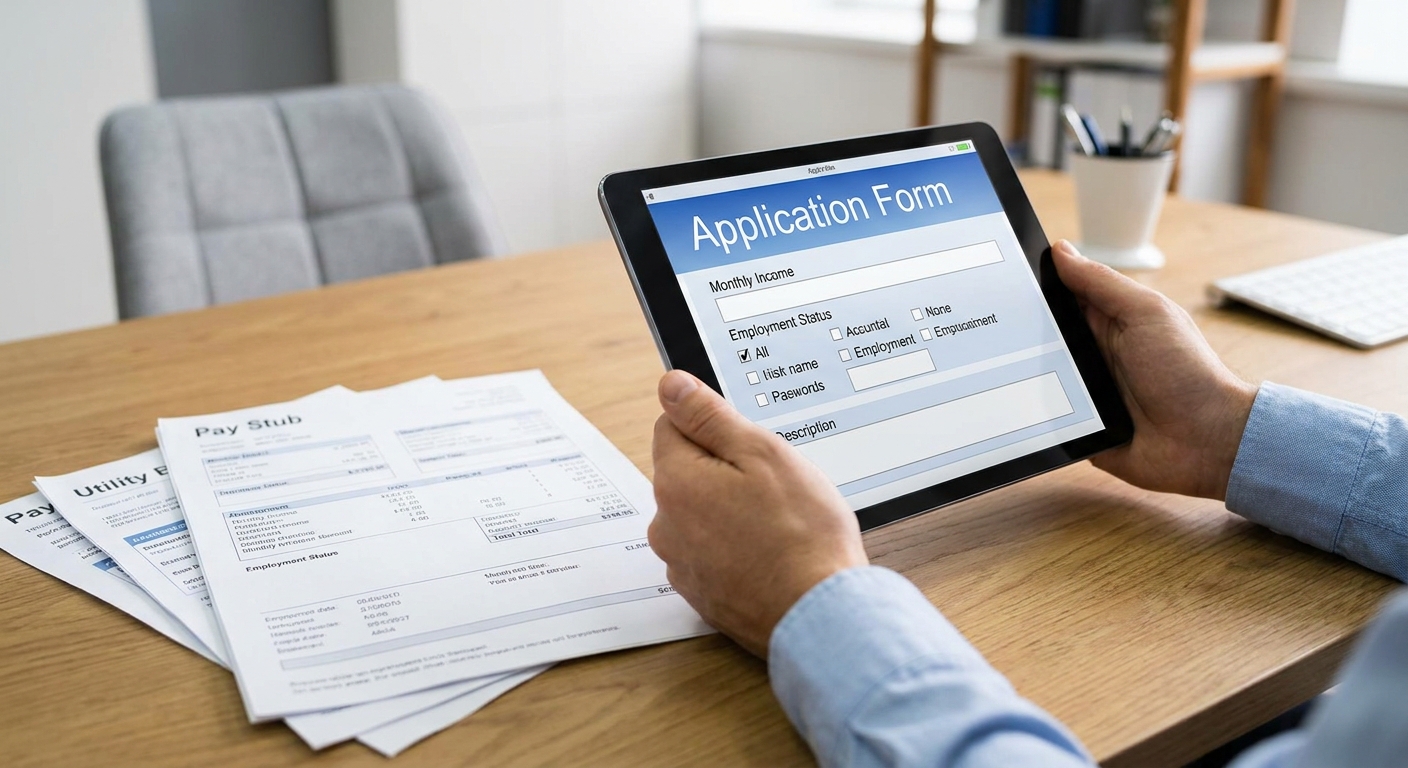
Lenders need confidence that you have a steady stream of money coming in. They will typically request recent pay stubs, bank statements, or tax documents. A consistent employment history often serves as a strong indicator that you have the means to manage a new financial obligation responsibly.
Bank Activity and Cash Flow
Rather than looking at a three-digit score, your day-to-day banking activity tells a detailed story. Lenders will review your accounts to ensure you do not have excessive non-sufficient funds (NSF) charges and that you handle your current cash flow responsibly without constantly living in overdraft.
Existing Obligations and Debt-to-Income Ratio
Even without a formal credit score, lenders will look at what you already owe. They calculate your debt-to-income ratio to confirm that taking on another scheduled payment will not overwhelm your budget.
Types of Alternative Loans Available
If you are exploring your options, several loan structures cater specifically to borrowers with thin or non-existent credit files. Each comes with unique terms, so understanding the differences is crucial for finding the right fit for your needs.
Installment Loans
An installment loan provides a lump sum that is repaid through scheduled payments over a fixed term. The predictable schedule can make budgeting easier, but borrowers should compare the APR and total cost—not only the payment amount.
Illustrative scenario: A worker with steady income but a thin credit file needs to replace an essential appliance. A lender may review recent pay stubs, bank deposits, housing costs, and existing debts before deciding whether the proposed payment is affordable.
Secured Loans
A secured loan is backed by an asset, such as a vehicle. Security may reduce the lender’s risk, but the borrower could lose the pledged asset after default, subject to the agreement and applicable law.
Illustrative scenario: A borrower uses a paid-off vehicle as security to seek a lower rate. Before accepting, the borrower compares the interest savings against appraisal charges, registration costs, and the risk to the vehicle.
Loans With a Guarantor or Co-signer
A guarantor or co-signer agrees to become responsible if the borrower does not pay. This can strengthen an application, but it creates a serious financial obligation for the other person.
Illustrative scenario: A newcomer with stable employment but limited Canadian credit history applies with a qualified co-signer. Both people review the payment schedule and default terms because missed payments may affect each of them.
What to Consider Before Borrowing
Taking on debt is a serious commitment, especially when navigating the alternative lending market. You must carefully review the terms before signing any agreement.
Pay close attention to the Annual Percentage Rate (APR). Unlike a simple interest rate, the APR includes administrative fees and gives you a clearer picture of the total borrowing cost. Always ask about the repayment frequency—whether it is weekly, bi-weekly, or monthly—and ensure it aligns with your pay schedule so you are never caught short.
Additionally, inquire about prepayment policies. Some lenders allow you to pay off the loan early without penalties, which can save you a substantial amount in interest over time. Conversely, make sure you understand the consequences of missed payments. Defaulting can lead to aggressive collection efforts, additional penalty fees, and damage to any credit profile you are trying to build.
Practical Checklist for Borrowers
Preparation is your best defense against predatory lending and application rejections. Use this practical checklist before approaching a lender:
- Gather income proof: Collect your last three months of bank statements and recent pay stubs.
- Verify your identity: Have a valid government-issued ID and proof of Canadian residency ready.
- Calculate affordability: Use a budget planner to ensure a new loan payment fits comfortably within your monthly expenses.
- Compare multiple offers: Do not settle for the first approval. Compare APRs, terms, and total borrowing costs from different lenders.
Who Oversees Lending and Consumer Protection in Canada?
Oversight depends on the lender and the province or territory. The Financial Consumer Agency of Canada provides information about personal loans, borrowing costs, and consumer rights, and supervises federally regulated financial institutions. Other lenders may be governed primarily by provincial or territorial consumer-protection and cost-of-credit rules.
Borrowers can also consult their provincial authority. Examples include Manitoba’s Consumer Protection Office and Consumer Protection Ontario’s credit, loan, and debt information. Rules and complaint processes vary, so use the resource for the province or territory where you live.
Frequently Asked Questions
Does no credit check mean guaranteed approval?
No. Ethical lenders always conduct affordability checks to ensure you can repay the loan. Claims of guaranteed approval are often red flags for scams.
Will paying this loan help build my credit?
It depends. Not all alternative lenders report payments to major credit bureaus. If credit improvement is your goal, you must explicitly ask the lender if they report positive payment histories.
Can I get instant funding?
Processing times vary. Identity, income, bank-account, and affordability verification may be required before a lender makes a final decision or releases funds.
Conclusion: Compare the Full Cost and Your Ability to Repay
A low or missing credit score does not automatically determine whether you can borrow. Some lenders consider income, employment, cash flow, existing obligations, and identity instead of relying primarily on a score. However, approval is never guaranteed, and alternative credit may cost more than a prime bank loan.
Before applying, confirm that the payment fits your budget, compare APR and total borrowing cost, understand what happens after a missed payment, and verify which consumer-protection rules apply where you live. If you have used an alternative lender, consider sharing the questions you asked or the lessons you learned in the comments. You can also leave a question for a future GoodLoan article—please do not post account numbers or other personal financial information.
Check Your Loan Eligibility
Ready to explore your options safely? Discover if you qualify for loans without a credit score in Canada by verifying your real-time financial health. Approval and specific rates are subject to individual assessment, and services may not be available in every province.